Discovering the Different Sorts Of Scaffolding Utilized in Construction Tasks
The construction sector depends heavily on various types of scaffolding to satisfy details task requirements, each offering distinct benefits and applications. Typical framework scaffolding provides a strong foundation for basic tasks, while put on hold scaffolding is crucial for work on high-rise structures.
Conventional Framework Scaffolding
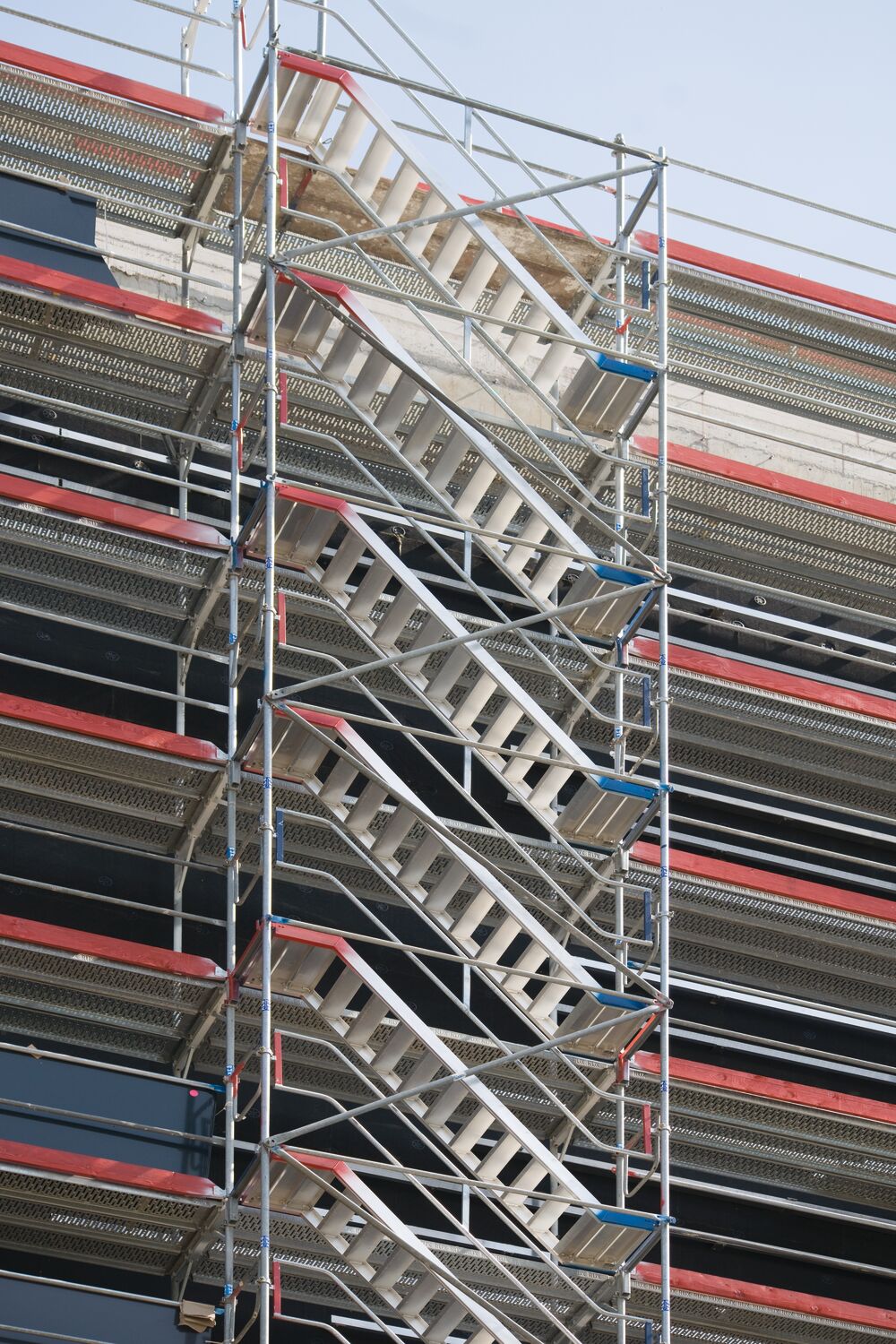
Typical frame scaffolding is among the most widely used approaches in the building industry due to its robustness and flexibility. This system contains straight and vertical frameworks that are set up to create a secure system for products and workers. The primary elements consist of vertical blog posts, horizontal journals, and angled braces, which together offer a strong structure that can sustain substantial tons.
Among the key benefits of conventional frame scaffolding is its adaptability to numerous construction jobs, ranging from domestic buildings to large commercial frameworks. The modular design permits simple setting up and disassembly, making it effective for both short-term and long-lasting projects. Additionally, the system can be tailored in elevation and width, suiting various building styles and site problems.
Safety is critical in scaffolding applications, and typical framework systems are furnished with guardrails and toe boards to avoid drops and ensure employee security. Regular assessments and adherence to security guidelines are critical in maintaining the integrity of the scaffold (Scaffolding). Overall, traditional frame scaffolding stays a basic selection in the construction industry, supplying a reputable platform for labor and boosting general project efficiency
Suspended Scaffolding
Suspended scaffolding offers a special remedy for construction jobs that need access to raised surfaces, particularly in circumstances where conventional structure scaffolding may be impractical. This kind of scaffolding is normally put on hold from the roof covering or upper degrees of a structure, using a system of systems, pulley-blocks, and ropes to produce a functioning space that can be adapted to numerous heights.
Among the primary benefits of put on hold scaffolding is its flexibility. It can be conveniently rearranged or lowered to fit changes in construction demands, making it excellent for tasks such as home window setup, frontage job, and maintenance on skyscrapers. In addition, the very little footprint of suspended scaffolding enables far better use of ground area in metropolitan settings, where area is typically restricted.
Safety and security is an important consideration in the usage of suspended scaffolding. Overall, suspended scaffolding supplies a reliable and effective service for accessing hard-to-reach areas in different building and construction circumstances, improving both efficiency and security on site.
System Scaffolding
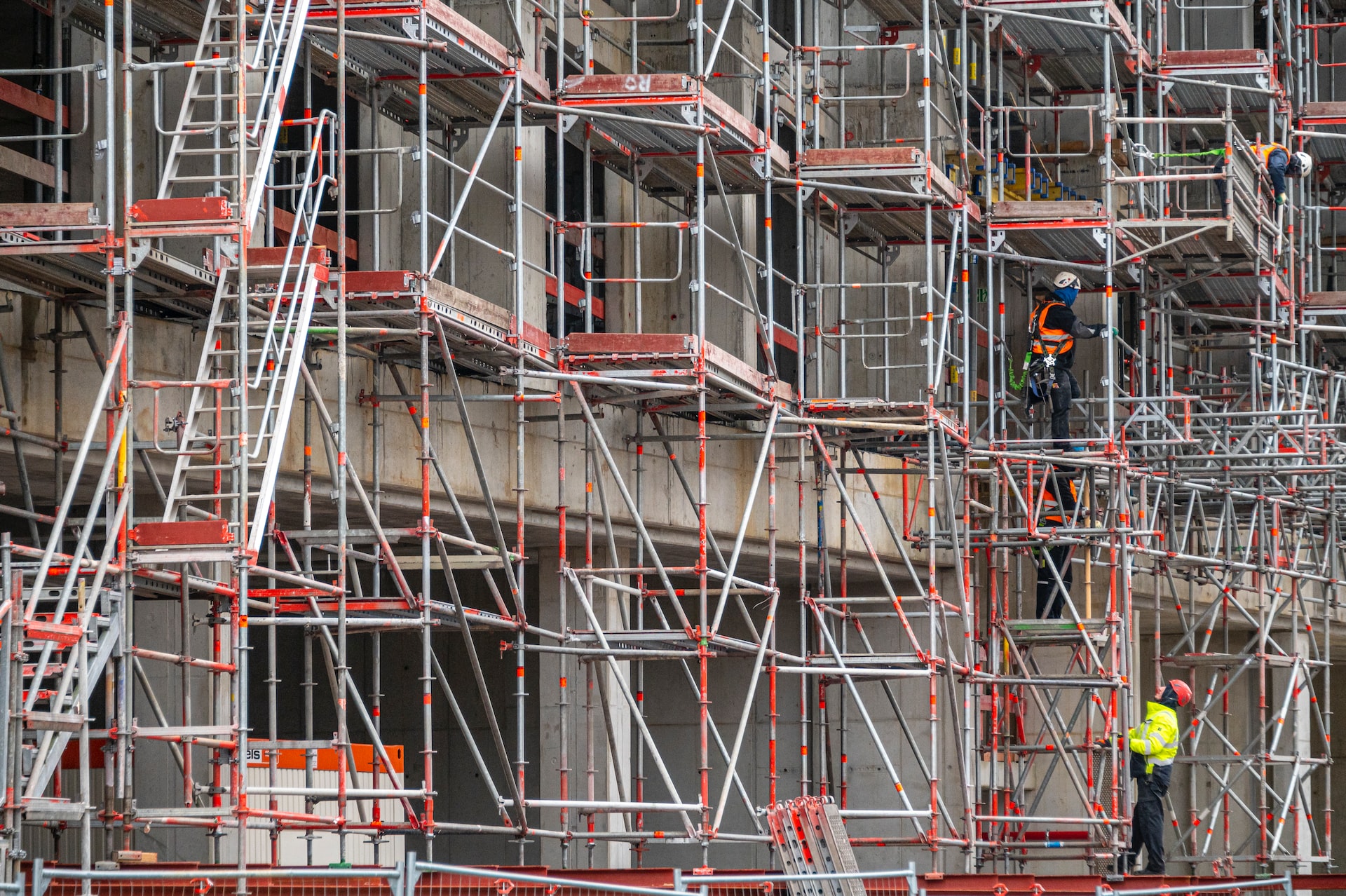
System scaffolding, usually considered a modern service in the scaffolding market, includes pre-engineered components that can be swiftly constructed and adjusted for various building and construction tasks. Scaffolding. This kind of scaffolding is characterized by its modular style, which permits adaptability and effectiveness on task sites, suiting different elevations and architectural demands
Normally made from high-strength steel or aluminum, system scaffolding offers boosted toughness and security. The elements consist of upright posts, horizontal journals, and angled dental braces, which interconnect securely, making sure a robust framework. The design typically integrates standard fittings, streamlining setting up and disassembly processes, consequently decreasing labor time and prices.
Rolling Scaffolding
Rolling scaffolding is a functional option to standard set scaffolding, designed for wheelchair and convenience of usage on building sites. This kind of scaffolding includes a system supported by frameworks with wheels, allowing employees to conveniently transfer it as needed. The wheelchair attribute substantially boosts performance, as it lessens downtime connected with constructing and dismantling dealt with scaffolding.
Normally created from light-weight materials such as light weight aluminum or steel, rolling scaffolding supplies a sturdy yet mobile solution for tasks needing frequent repositioning - Scaffolding. It is especially helpful in tasks such as paint, drywall installation, and electric work, where accessibility to different elevations and places is essential
Security is vital in rolling scaffolding style, with functions such as securing wheels to stop unexpected motion when in operation, and guardrails to safeguard employees from falls. Additionally, lots of designs are adjustable in height, suiting various job requirements.
Cantilever Scaffolding
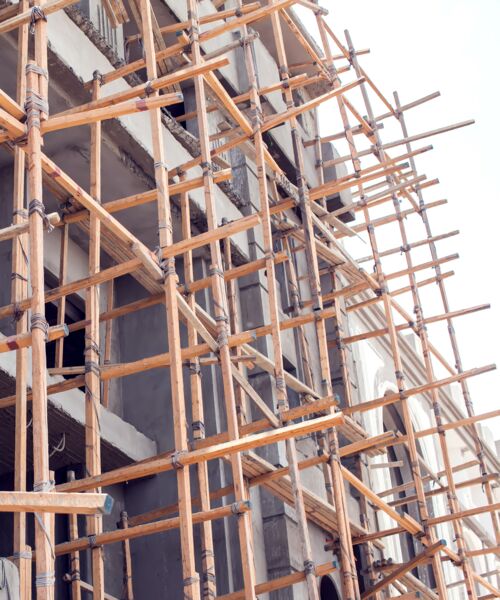
The style of cantilever scaffolding normally entails utilizing arms or brackets secured to a building or structure, enabling the system to extend external securely. Safety and security is paramount; therefore, these scaffolds should be engineered to stand up to ecological problems and numerous lots. Routine assessment and upkeep are vital to make sure architectural stability and worker security.
Cantilever scaffolding is preferred for its adaptability and efficient usage of area, making it a popular choice in urban environments where room constraints are common. Furthermore, it assists in easier access to high altitudes, inevitably adding to the general effectiveness of building and construction projects. As with all scaffolding kinds, appropriate training and adherence to safety requirements are vital for workers utilizing cantilever scaffolding.
Final Thought
Conventional framework scaffolding supplies stability, while suspended scaffolding uses Temporary Roof Scaffolding flexibility for elevated tasks. System scaffolding assists in fast assembly, and rolling scaffolding improves movement for varying job settings.
Standard frame scaffolding provides a durable foundation for basic jobs, while suspended scaffolding is crucial for work on high-rise structures.Moving scaffolding is a flexible option to typical set scaffolding, designed for flexibility and convenience of usage on construction websites. As with all scaffolding types, proper training and adherence to security standards are critical for employees using cantilever scaffolding.
Standard structure scaffolding gives stability, while suspended scaffolding provides adaptability for elevated tasks. System scaffolding promotes fast assembly, and rolling scaffolding boosts movement for differing job atmospheres.